


This is the guide to the complete brake service on Paulo's 2004 Honda Fit LX: front disc, rear drum, wheel cylinders, parking-brake adjustment, and bleeding. The actual procedure is shown in the full video; the illustrations and limits below come from the Honda Jazz/Fit 2002–2005 electronic service manual.
Safety first: Do not blow brake dust with compressed air or sweep it dry. Wear a suitable mask, use wet cleaning or an appropriate product, and collect the residue. Support the car on jack stands; a jack alone is not a work support. Brakes are safety-critical: if you are unsure about assembly, leaks, or pedal feel, stop and consult a professional.
Front: disc, pads, and caliper
The car shown in the video has front discs and calipers. Before replacing parts, check for uneven wear, leaks, damaged boots, and free caliper movement. The manual calls for measuring the disc at eight points, 10 mm from the outer edge; do not judge it by appearance alone.
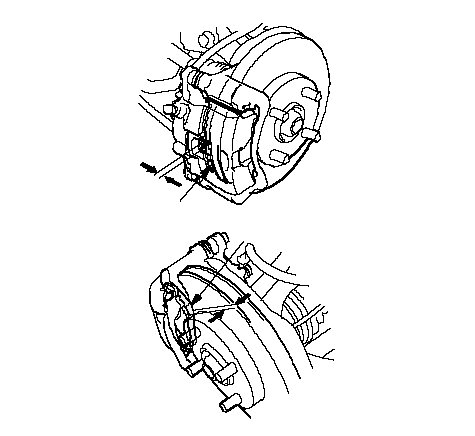
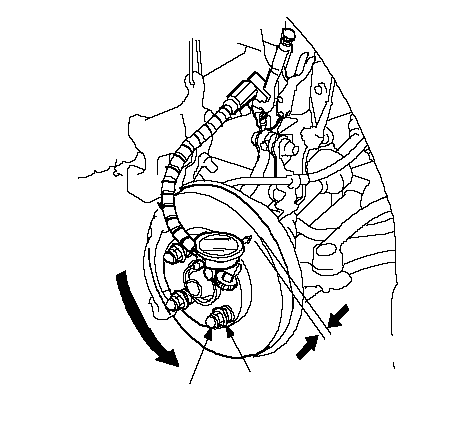
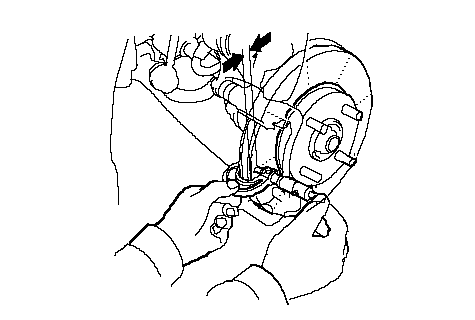
Scroll horizontally to see all table columns.
| Front disc (ESM manual) | Measurement |
|---|---|
| New thickness | 20,9–21,1 mm |
| Service limit / maximum resurfacing | 19,0 mm |
| Maximum runout | 0,10 mm |
| Maximum parallelism | 0,015 mm |
Rear of Paulo's car: drum, shoes, and self-adjuster
The 2004 Honda Fit LX shown in the video has rear drum brakes. The service includes wheel cylinders, shoes, springs, the automatic adjuster, and the parking-brake cable. Do not mix drum-brake parts with the disc-brake variant shown below.
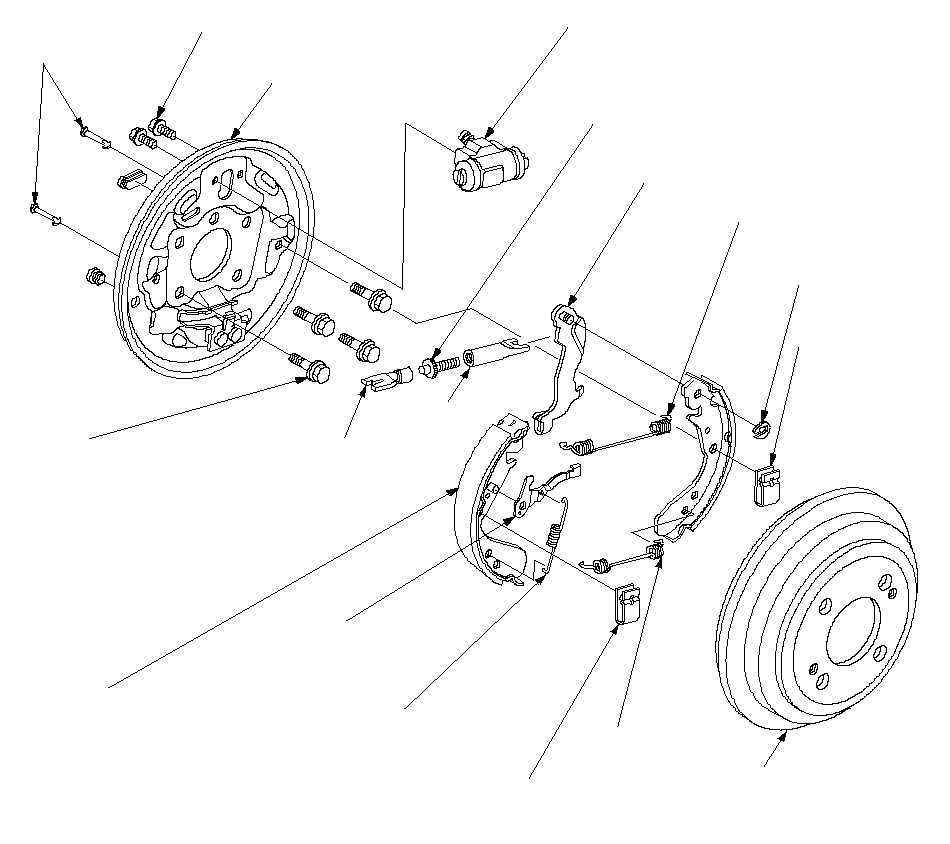
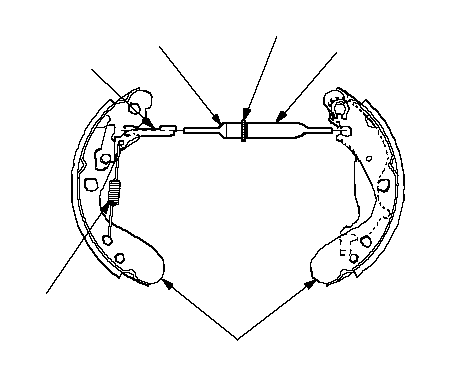
Scroll horizontally to see all table columns.
| Rear drum (ESM manual) | Measurement |
|---|---|
| New shoe lining | 4,3 mm |
| Lining service limit | 1,0 mm |
| Nominal drum inside diameter | 180 mm |
| Maximum service inside diameter | 181 mm |
Parking brake
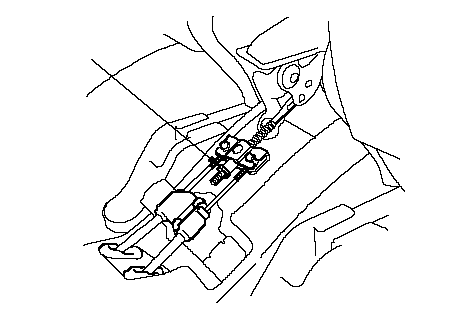
After servicing the shoes, the manual recommends loosening the adjustment, pressing the pedal so the self-adjuster can settle, and only then adjusting the cable. As a manual reference, the lever should have 7 to 10 clicks with a force of 196 N (20 kgf). Fully release it afterward and check that the wheels do not drag.
Bleeding and brake fluid
The video shows the use of DOT 4 and system bleeding. This records what was used for that service; it is not a universal recommendation: check the specific manual, reservoir cap, and vehicle application before choosing or mixing fluids. Keep the reservoir topped up during bleeding, use a suitable container, and do not let the pedal reach the end of its travel without fluid.
Four torques confirmed in the video
The values below were checked against the video's technical notes and link to the corresponding moment. Use a torque wrench in the appropriate range and confirm the application/thread in your vehicle's manual before tightening.
Scroll horizontally to see all table columns.
| Fastener | Torque | Video |
|---|---|---|
| Front caliper bracket | 108 N·m | ▶ 1:14:37 |
| Caliper guide pins | 22 N·m | ▶ 1:27:55 |
| Brake-hose banjo bolt | 34 N·m | ▶ 1:29:23 |
| Wheel nuts | 108 N·m | ▶ 1:36:54 |
Tools shown/useful for this service: jack and stands, lug wrench, sockets, 7 mm Allen key for the guide pins, 14 mm wrench for the banjo bolt, torque wrench, bleeding container, and brake cleaner. This page does not link to unconfirmed tools or parts listings.
Manual variant: rear disc brakes
Important: the electronic service manual also includes a rear disc-brake variant. This section helps identify that variant in the manual; it does not confirm fitment on a Brazilian Honda Fit or on Paulo's 2004 Fit LX.
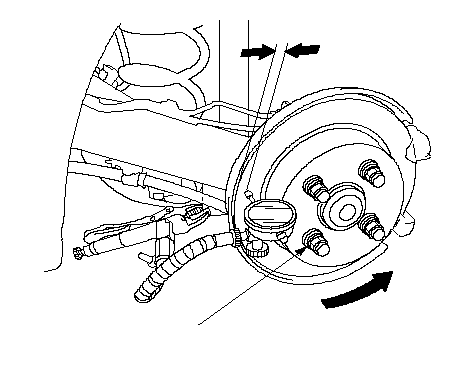
Scroll horizontally to see all table columns.
| Rear disc variant (ESM manual) | Measurement |
|---|---|
| New disc thickness | 8,9–9,1 mm |
| Disc service limit | 8,0 mm |
| New pad thickness | 6,8–7,5 mm |
| Pad service limit | 1,6 mm |
Frequently asked questions
Does this guide apply to every Honda Fit?
Not automatically. It documents Paulo's 2004 Fit LX and uses the 2002–2005 Jazz/Fit manual as a reference. Check the version, market, and rear-brake system on the vehicle and in its manual.
Can I measure a disc and drum with an ordinary caliper?
The manual specifies where and how to measure. An unsuitable tool, measuring at the wrong point, or a hot disc/drum can lead to a wrong conclusion; if in doubt, have a shop inspect it.
Illustrations and limits: Honda Jazz/Fit 2002–2005 Electronic Service Manual (ESM), Paulo's local file, for information. Video procedure: Paulo's Garage. This page does not replace the technical manual for your vehicle version.